Humans think in images. What does that mean for climate communication? A reflection on visual storytelling, psychology, and making climate issues resonate with wider audiences.
Share This Post
How can we make climate information more accessible, engaging, and memorable?
In this article, Mariam Kvaratskhelia explores the role of visual storytelling in climate communication. Drawing on examples from climate science, psychology, philosophy, and art, she argues that humans naturally think through images and that effective communication should reflect this reality.
From climate data visualisations to culturally grounded illustrations, the article examines how visual narratives can help bridge the gap between scientific knowledge and public understanding. It also highlights the importance of creating messages that feel personal, relatable, and emotionally meaningful.
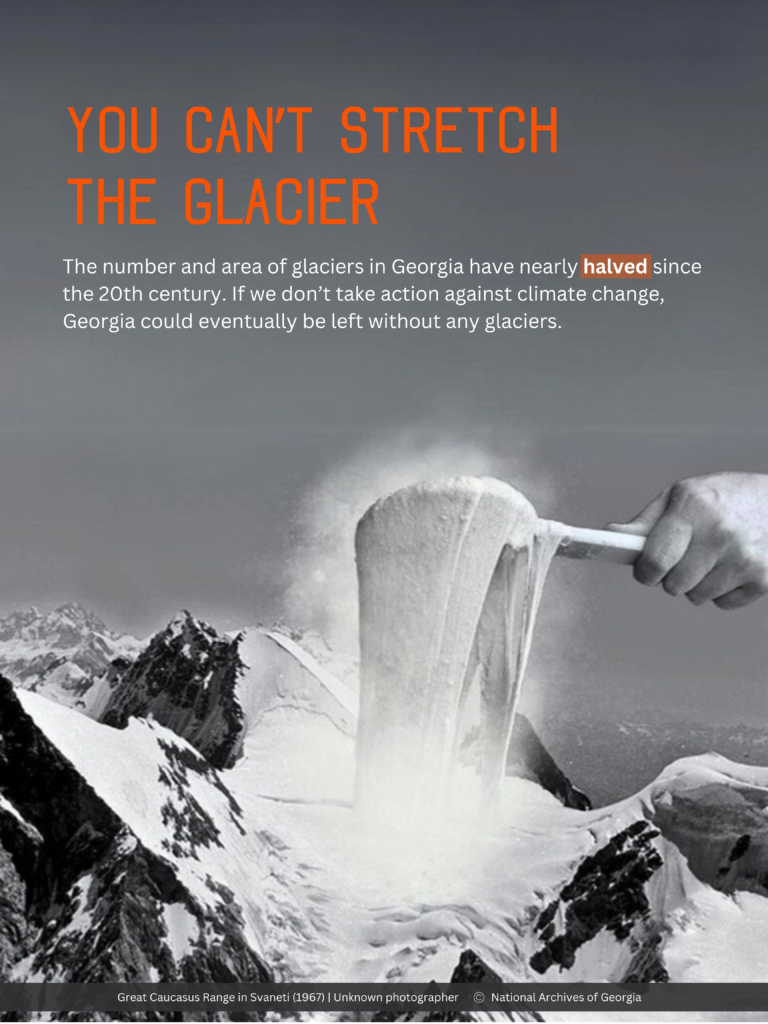
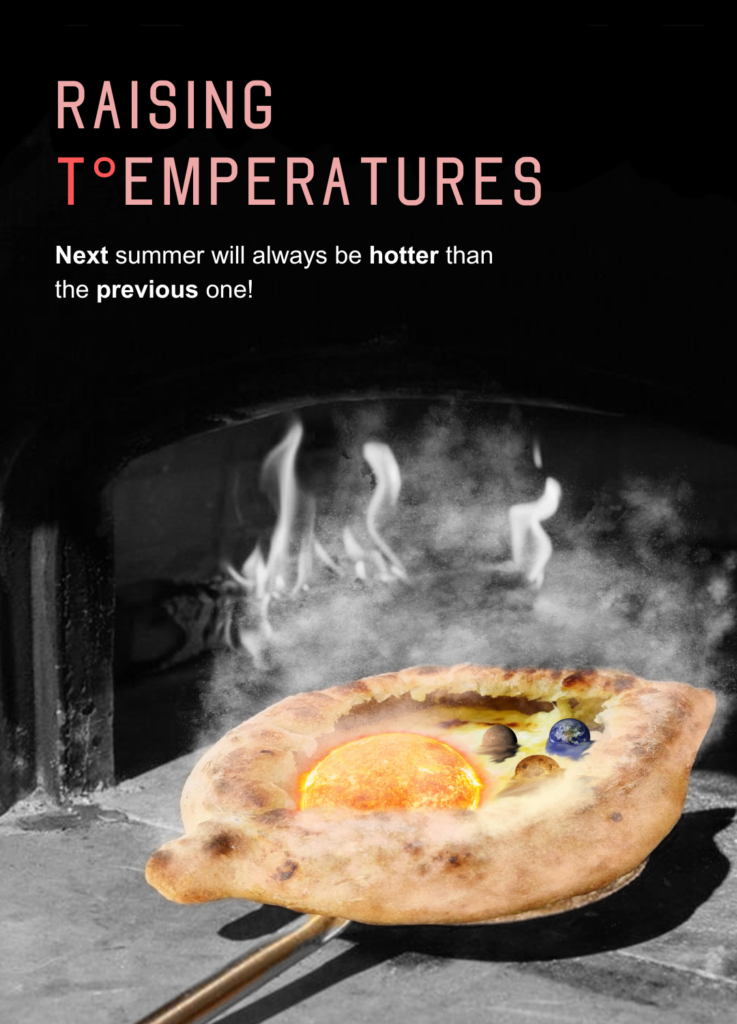
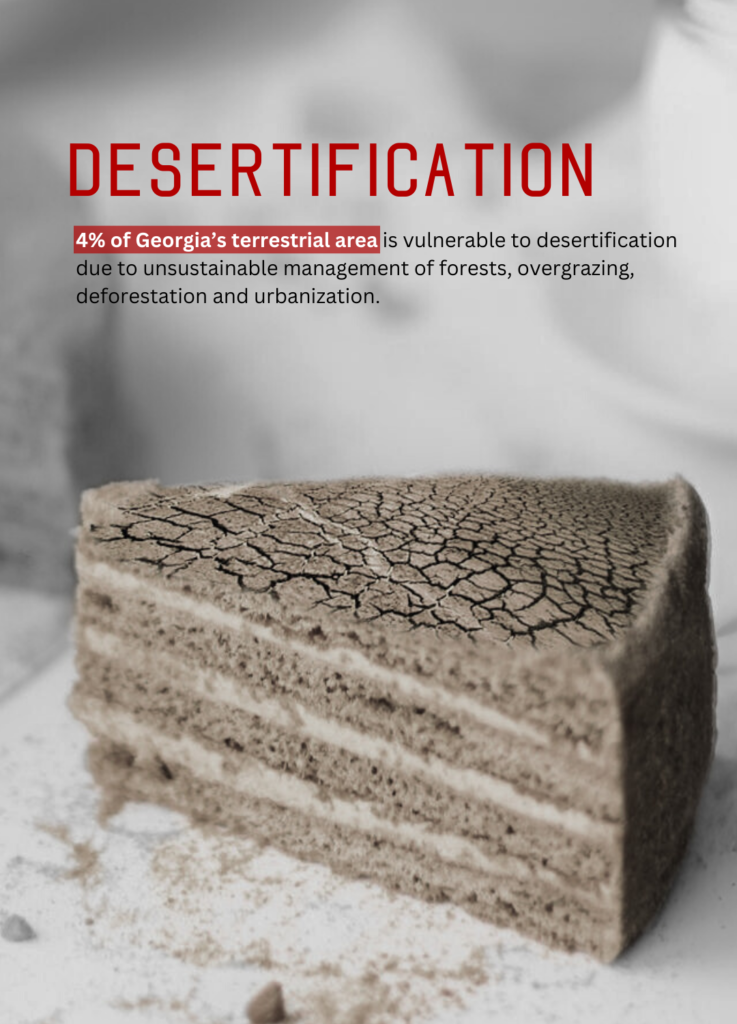
In Georgia’s case, cuisine became one such cultural element through which four major climate issues were communicated visually: glacier melting, deforestation, rising temperatures, and desertification.
For anyone working in environmental communication, education, conservation, or community engagement, this article offers valuable insights into how stories and images can help make complex issues resonate with wider audiences.
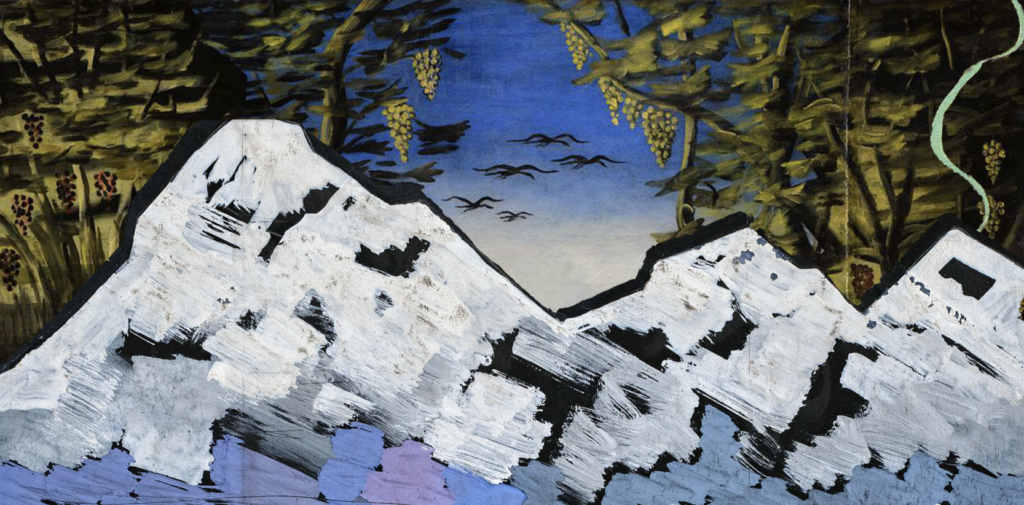
Feature image: Illustration by Mariam Kvaratskhelia (incorporates works of David Kakabadze and Niko Pirosmani)
Mariam Kvaratskhelia is a climate specialist and graphic designer from Georgia, and the founder of Georgia’s first experimental digital climate magazine, TUTA Magazine. She holds a master’s degree in Environmental Management from Kyoto University and has worked actively in the international and NGO sectors in Georgia and beyond. She believes that climate change is still not well understood by the public, and that visual storytelling can help people connect with the issue.
TUTA is Georgia’s first experimental magazine exploring the intersections of climate, environment, society, and culture. Through storytelling, photography, visual arts, and multimedia, it presents complex issues in creative and human-centered ways. By connecting environmental and social change with people’s lived experiences, traditions, and communities, TUTA makes important conversations accessible to wider audiences.